
The concept of risk is pivotal in many aspects of life, and in the world of gaming, particularly in games like Chicken Road Risk Toggle Reading Chicken Road game, risk assessment plays a significant role in strategizing and decision-making. Understanding how to toggle risk and read the environment can enhance gameplay and provide a competitive edge. Let’s delve into the intricacies of risk in gaming, focusing on how to assess, toggle, and read it effectively.
What is Risk in Gaming?
Risk in gaming refers to the potential of losing something valuable, whether it be points, lives, or the overall game. Every decision a player makes carries some degree of risk, and assessing this risk accurately is key to improving one’s gameplay experience. Players must constantly weigh the benefits of taking risks against the potential consequences of their actions.
The Importance of Risk Assessment
Risk assessment is the process of identifying potential risks in gameplay and evaluating their impact on progress. Understanding this process can help players make informed decisions, improve their strategic thinking, and ultimately enhance their performance in the game.
In games like Chicken Road, players must navigate various scenarios that involve chasing goals while avoiding obstacles. Each path taken can lead to different outcomes, and recognizing high-risk areas can dictate a player’s strategy.
Strategies for Toggling Risk
Toggling risk involves adjusting your approach based on the assessment of ongoing scenarios. Here are some effective strategies to consider:
- Identify High-Risk Areas: Players should recognize parts of the game that pose significant risks, such as zones with more obstacles or competitive opponents. Knowing when to avoid these areas can be vital.
- Evaluate Reward vs. Risk: Always assess the potential rewards of an action against the associated risks. Is the potential point gain worth the risk of losing a life?
- Use Safe Zones: In many games, including Chicken Road, there are safe zones where players can strategize without immediate threats. Make sure to take advantage of these points.
- Learn from Experience: Each gaming encounter provides valuable lessons. Reflect on past decisions to adjust and improve future risk assessments.
Reading the Game Environment
Effective risk toggle reading requires keen observation of the gaming environment. Here’s how players can enhance their reading skills:
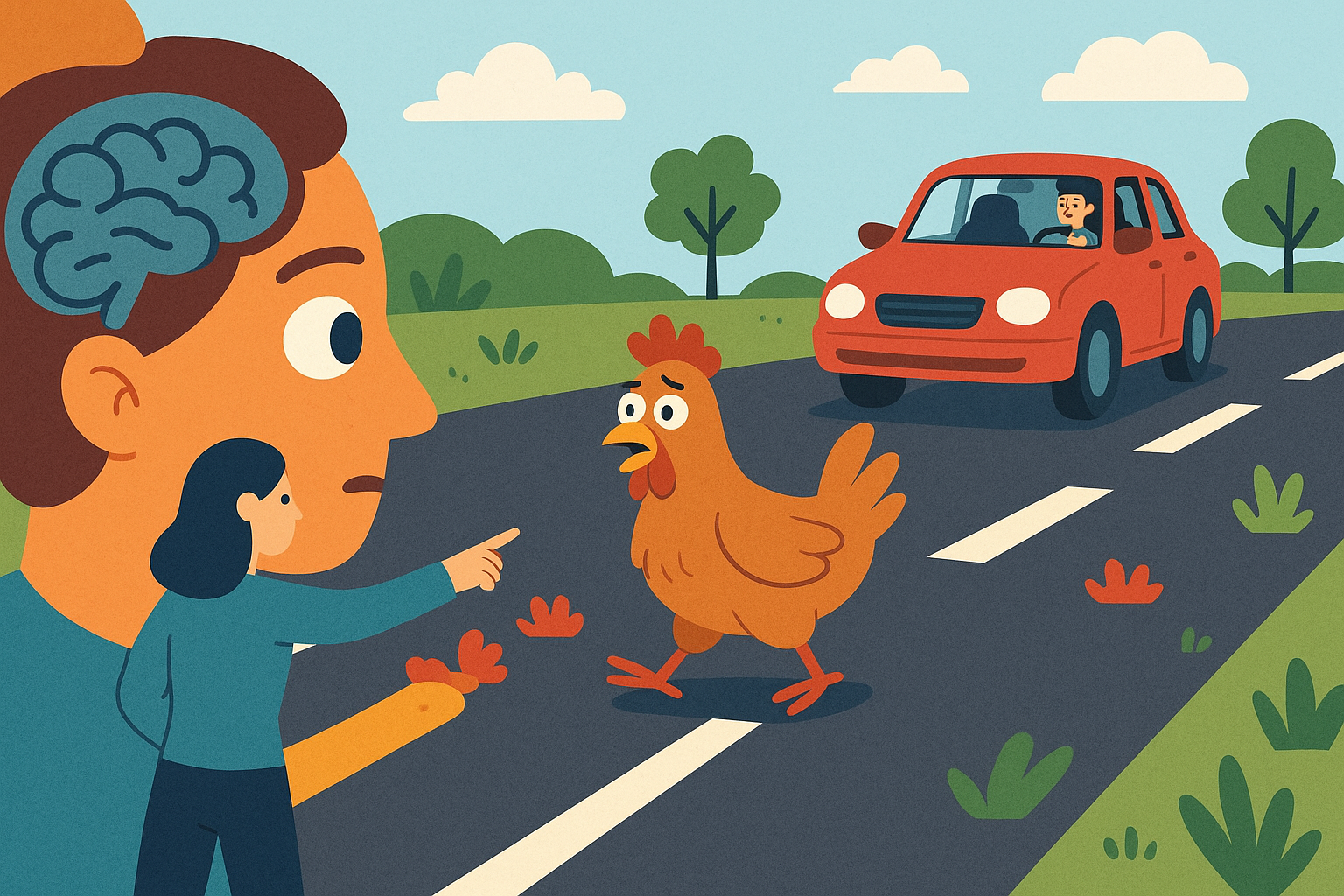
- Map Familiarity: Knowing the game layout can help players navigate it effectively. Familiarize yourself with different routes, obstacles, and potential danger zones.
- Observe Other Players: Watching how other players navigate the game can provide insights into risk management and strategic decision-making.
- Utilize In-Game Tools: Many games offer features like maps, indicators, or logs that can give valuable information about risk factors. Use these tools to your advantage.
Case Studies in Chicken Road
Analyzing real scenarios from the Chicken Road game provides practical insights into risk management:
Scenario 1: Choosing Paths
When faced with multiple paths, one of which is known to have obstacles while another is clear, players must assess the risk of choosing the safe path against the reward of potential bonuses on the riskier path. A solid understanding of past experiences can guide players in making this decision.
Scenario 2: Timing is Everything
In fast-paced scenarios, knowing when to toggle between aggressive gameplay and cautious movements can be the difference between success and failure. Observing opponents’ movements and predicting their actions can help players decide when to take risks or play it safe.
Conclusion
Learning to toggle and read risk in games like Chicken Road is an ongoing process that can greatly enhance gameplay. Understanding the principles of risk assessment, developing strategies to manage it effectively, and improving the ability to read the game environment are essential skills for every gamer. By incorporating these practices, players are not only better equipped to handle challenges but also to enjoy their gaming experience more fully.
In conclusion, risk is an inherent part of gaming that can either make or break a player’s experience. The ability to assess, toggle, and read this risk properly can lead to improved performance and satisfaction within the game. Always engage with the environment strategically and embrace the lessons that come with every gameplay.